
14 Gorgeous Winter Hair Colors to Try This Season
Winter is the perfect time to refresh your hairstyle with a richer, warmer, or more dimensional hair color. As temperatures drop and wardrobes shift toward cozy knits, coats, and deeper seasonal colors, your hair can become another way to express your personal style.
From glossy brunette shades and warm caramel highlights to icy blonde and dramatic burgundy, winter hair colors offer something for every preference. You can choose a subtle change that enhances your natural color or try a bolder transformation that makes your hairstyle stand out.
The best winter hair color depends on your natural base, maintenance preferences, desired level of contrast, and personal style. These 14 winter hair color ideas will help you find inspiration for your next salon appointment.
1. Rich Chocolate Brown

Rich chocolate brown is a timeless winter hair color that looks elegant, glossy, and naturally sophisticated. Its deep brown base creates a beautiful, polished appearance that complements the cozy atmosphere of the colder months.
This shade works particularly well for anyone who wants a noticeable refresh without choosing an extremely dramatic color. It can enhance naturally brunette hair or provide a darker transformation for someone moving away from lighter shades.
For the most dimensional result, ask your colorist for a chocolate brown shade with subtle tonal variation rather than a completely flat finish. A gloss treatment can help enhance shine and keep the color looking fresh.
How to style it: Pair rich chocolate brown hair with soft waves, a smooth blowout, or a sleek low bun. Neutral clothing, camel coats, cream sweaters, and burgundy accessories complement its warm, luxurious appearance.
2. Caramel Balayage on Brunette Hair
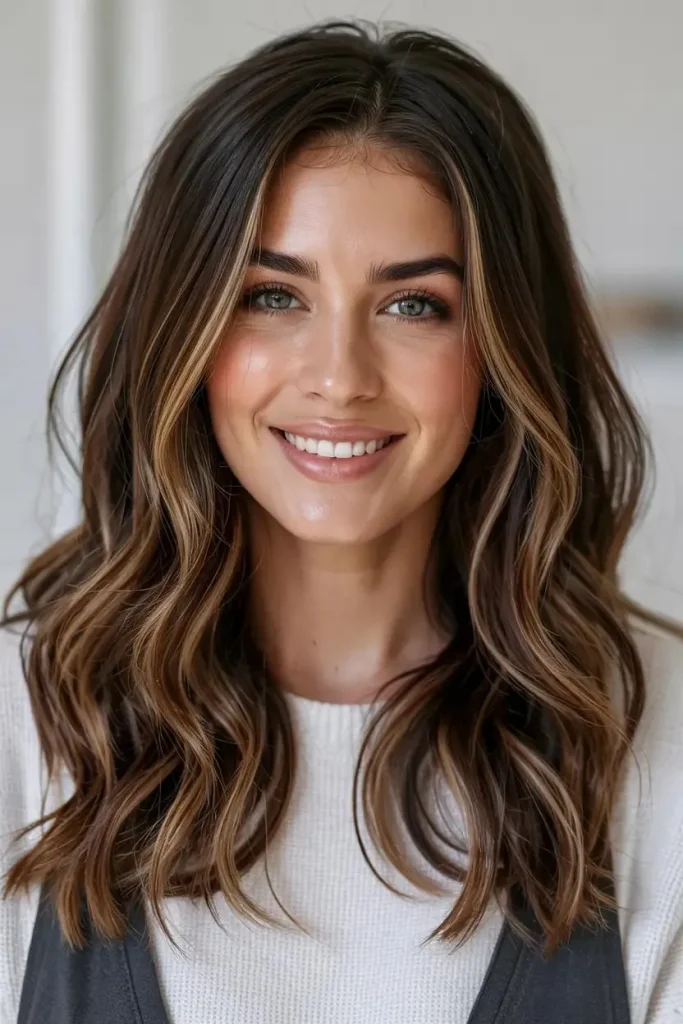
Caramel balayage is an excellent choice if you want to brighten brunette hair without committing to an all-over color change. The technique places lighter caramel tones throughout the hair, creating a soft transition from the darker roots to the highlighted lengths.
This combination adds movement and dimension, particularly when styled in loose waves. The warm highlights can also make long layers and face-framing pieces appear more defined.
One of the biggest advantages of balayage is that it can grow out more softly than traditional highlights. However, the amount of maintenance required depends on the placement, contrast, and color correction needed to maintain the desired shade.
How to style it: Try loose curls or a voluminous blowout to show off the variation between the brunette base and caramel pieces. Ask your stylist to customize the placement around your face and hair length.
3. Icy Blonde

Icy blonde offers a cool, luminous look that feels especially striking during winter. Its pale blonde tones can range from silvery platinum to a soft, frosty blonde, depending on your preferred level of brightness.
This shade creates a noticeable transformation and can look beautiful with a blunt bob, long layers, or a sleek shoulder-length hairstyle. The cooler finish also pairs well with winter clothing in charcoal, black, white, navy, and cool gray.
Achieving icy blonde may require significant lightening, especially if your hair is naturally dark. The process can take multiple salon appointments, and maintaining the shade often requires careful toning and conditioning.
How to style it: A sleek straight finish highlights the clean, cool tone, while soft waves give the color more movement. Use heat protection and follow your stylist’s recommendations for maintaining hair strength.
4. Copper Auburn
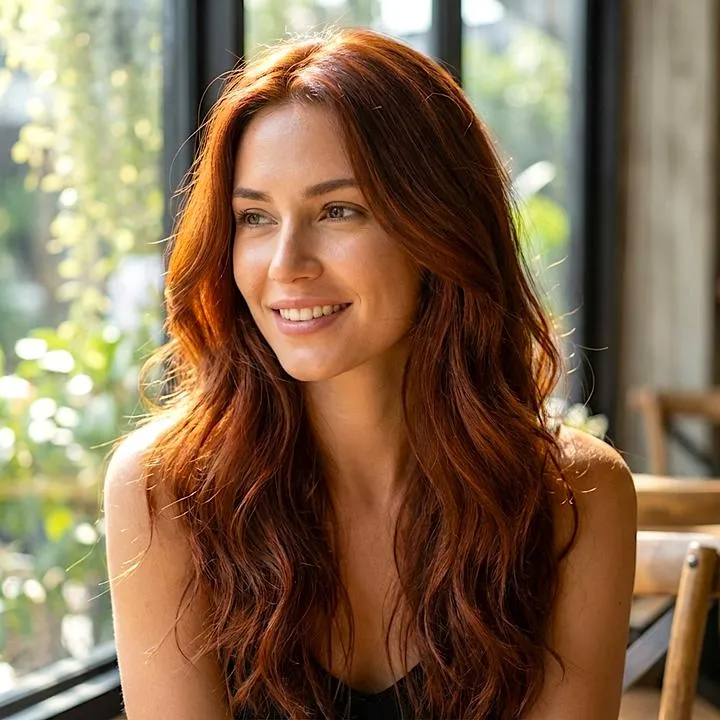
Copper auburn combines warm copper tones with the richness of reddish brown. The result is a vibrant yet wearable shade that adds warmth and personality to a winter hairstyle.
Unlike very bright orange copper, copper auburn often has a deeper, more balanced appearance. This makes it a good option for people who want a red-inspired color that still feels sophisticated and seasonally appropriate.
The exact shade can be adjusted toward brown, copper, or red depending on your natural hair color and desired result. Your colorist can help determine the right balance for your complexion and existing color.
How to style it: Soft waves and layered cuts showcase the different tones within copper auburn. For a coordinated seasonal look, try earthy greens, cream, chocolate brown, and warm beige clothing.
5. Espresso Brown

Espresso brown is a deep, dark brunette shade inspired by the rich color of espresso coffee. It offers a dramatic finish while maintaining the natural-looking depth that makes brunette hair so versatile.
This shade is ideal if you prefer a polished, low-key hair transformation. Depending on your starting color, achieving espresso brown may involve darkening the hair or adding a cool or neutral brown tone to create a more defined finish.
A glossy treatment can make the color look especially luxurious. If your hair is already dark, your stylist may be able to enhance its richness without making a major color change.
How to style it: A sleek blowout, polished ponytail, or soft, defined waves can all complement espresso brown. Regular conditioning and gentle styling help maintain shine and a healthy appearance.
6. Honey Blonde Highlights
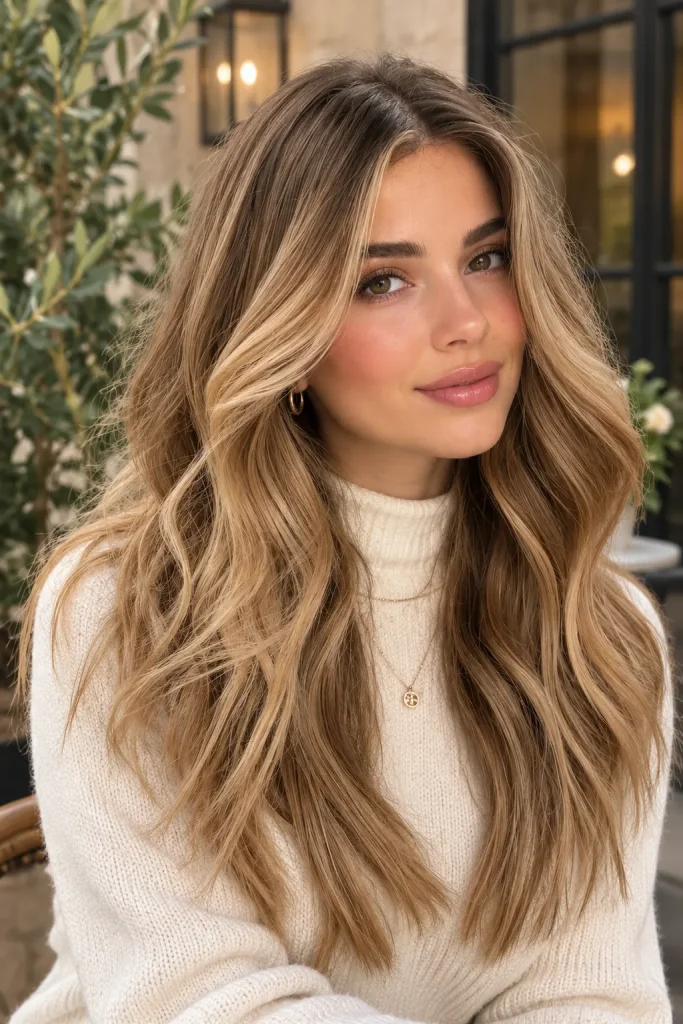
Honey blonde highlights add a warm golden dimension to the hair, making them an appealing choice for winter if you want to maintain some brightness.
Rather than choosing a very pale blonde, honey tones create a softer, sunlit effect. They can be added to blonde, dark blonde, or light brown hair, depending on the desired contrast.
For a natural result, ask your colorist to blend the highlights with your base color. Subtle face-framing pieces can brighten the overall look, while more distributed highlights create dimension throughout the lengths.
How to style it: Loose curls, beach-inspired waves, and layered blowouts help reveal the golden tones. Use color-safe products and ask your stylist whether occasional toning is necessary for your particular shade.
7. Burgundy Wine Hair

Burgundy wine hair is a bold winter color that blends deep red, violet, and brown undertones. Its rich appearance makes it an attractive option for anyone looking for a more dramatic seasonal change.
The shade can range from a subtle burgundy brunette to a vivid wine-inspired red. A deeper version may look understated indoors, while the red and violet tones become more noticeable in brighter lighting.
Burgundy can be applied as an all-over color or incorporated into highlights for a less dramatic result. Red-based shades may fade with washing, so a color-maintenance routine is important if you want to preserve their richness.
How to style it: Soft waves and long layers bring out the color’s depth. Burgundy hair also pairs beautifully with black, charcoal, cream, and other rich winter wardrobe colors.
8. Mushroom Brown
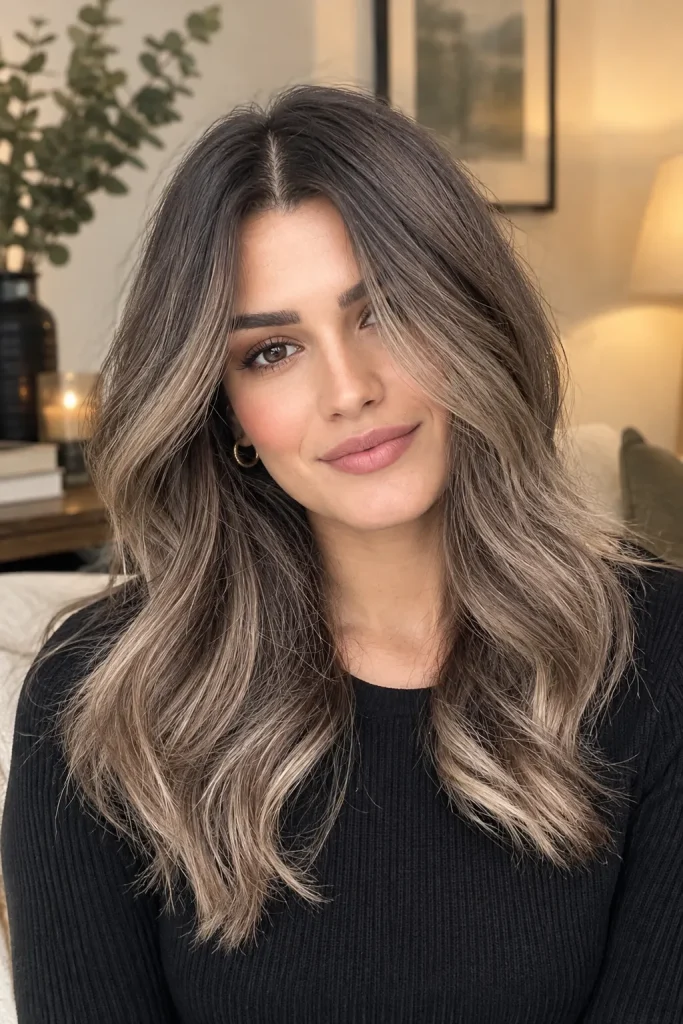
Mushroom brown is a cool-toned brunette shade with muted beige, ash, and taupe undertones. It is an appealing alternative to warmer chocolate or caramel colors if you prefer a more understated, neutral finish.
This shade can add dimension without creating an overly golden or reddish result. Depending on your natural base, your colorist may use a combination of cool brown tones and subtle highlights to achieve the desired effect.
Mushroom brown works across different hair lengths and can be customized to look darker and more subdued or lighter and more dimensional. Maintaining its cool appearance may require occasional toning.
How to style it: Soft waves, long layers, and a smooth blowout help reveal its subtle tonal variation. Pair it with cool neutrals, black, gray, cream, or muted earthy shades for an understated look.
9. Black Cherry Hair

Black cherry hair combines a dark base with rich red and burgundy undertones. It is a striking choice for winter if you love dark hair but want something more distinctive than traditional black or espresso brown.
The color can look almost black in low lighting, while its red tones become more visible in brighter conditions. This creates a multidimensional effect without requiring an extremely light base.
Black cherry can be customized to emphasize deep cherry red, violet, or burgundy tones. The final result will depend on your starting color and the coloring technique used by your stylist.
How to style it: Sleek, straight hair emphasizes the glossy finish, while loose curls reveal the different undertones. A shine-enhancing hair gloss can help keep the color looking vibrant between salon appointments.
10. Beige Blonde

Beige blonde offers a balanced blonde shade that sits between very warm golden blonde and cool ash blonde. Its neutral appearance makes it a versatile option for winter, particularly if you want a softer blonde without an extremely icy finish.
This shade can be created with an all-over color, blended highlights, or a combination of blonde and darker lowlights. The right approach depends on your natural color and how much contrast you want.
Beige blonde can also be a useful option for people transitioning from summer blonde into a more muted seasonal shade. Your stylist can adjust the warmth and depth to complement your existing color.
How to style it: A layered blowout, loose curls, or a shoulder-length cut can all highlight beige blonde’s subtle dimension. Use color-safe shampoo and conditioner to help preserve the shade.
11. Cinnamon Brown
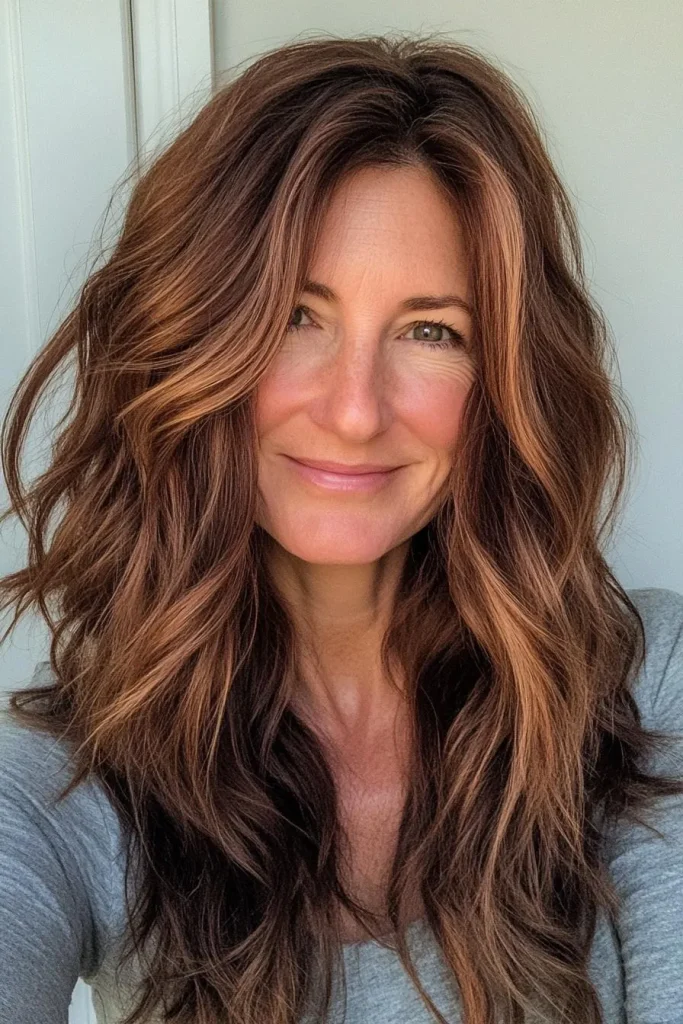
Cinnamon brown is a warm brunette shade with subtle reddish and coppery undertones. It adds seasonal warmth without the intensity of a bright red or vivid copper color.
This shade is particularly appealing if you want to keep your hair brown while introducing a little more color. The cinnamon tones can be subtle or more noticeable, depending on the depth of your base and the coloring technique.
A colorist can customize cinnamon brown with delicate highlights or apply it as an all-over shade. The result can be soft and natural-looking while still providing a visible change.
How to style it: Loose waves and layered hairstyles help show off the warm undertones. Cream, olive, camel, and chocolate brown clothing can complement the color’s earthy character.
12. Ash Brown

Ash brown is a cool brunette shade with muted gray or smoky undertones. It is a good choice for anyone who prefers understated hair color and wants to reduce the appearance of excessive warmth in their brown hair.
The shade can range from light ash brown to a deeper smoky brunette. Subtle highlights or lowlights can add dimension without taking away from its cool, neutral appearance.
Because underlying warmth varies from person to person, achieving a balanced ash brown may require professional color formulation and toning. Your stylist can help you choose a shade that works with your natural hair and desired level of contrast.
How to style it: Sleek straight hair creates a polished finish, while soft waves give the color more dimension. Gentle hair care and occasional professional toning can help maintain the cool effect.
13. Golden Bronde
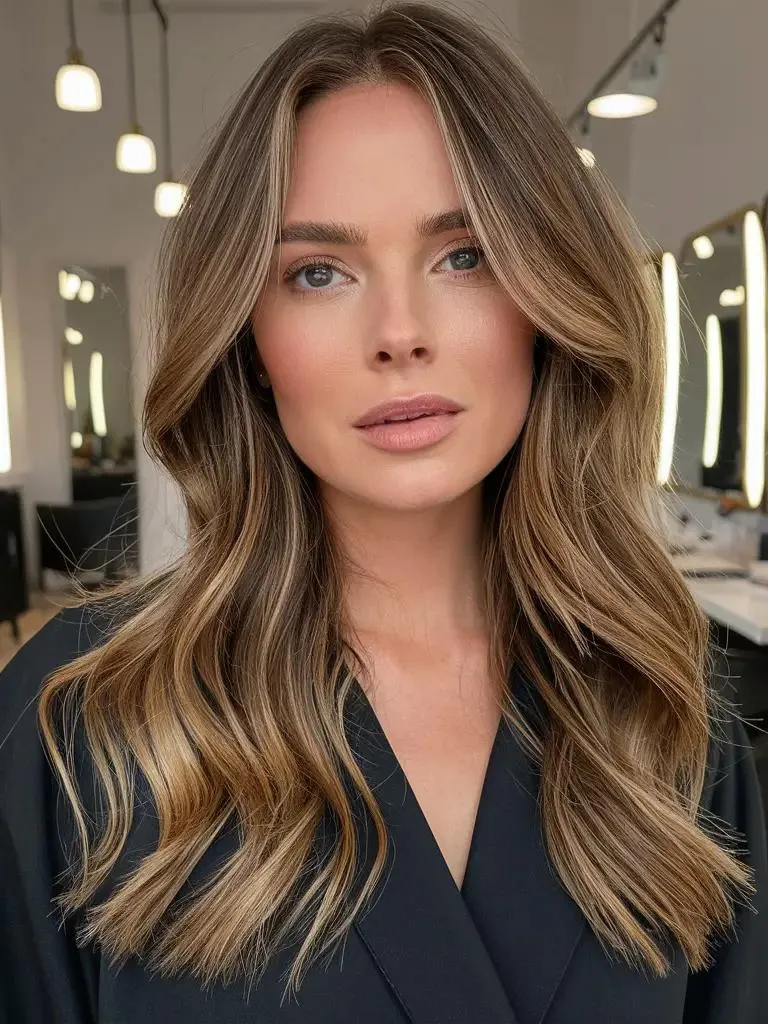
Golden bronde combines brunette depth with blonde brightness, creating a balanced color between brown and blonde. Its golden tones make it a useful option if you want a lighter look without committing to a full blonde transformation.
This shade can be adapted to different starting colors. Brunettes may prefer subtle golden highlights, while dark blondes may choose a deeper base with warm blonde pieces for extra contrast.
Golden bronde is also versatile because the color can be adjusted to suit different hair lengths, textures, and styling preferences. A blended approach can create a softer grow-out than a high-contrast highlight pattern.
How to style it: Long layers, loose waves, and a voluminous blowout emphasize the blend of brown and blonde tones. A gloss treatment may help maintain shine and keep the overall color looking fresh.
14. Deep Chestnut Brown

Deep chestnut brown is a rich brunette shade with subtle red and warm brown undertones. It offers more warmth than a neutral dark brown while remaining natural-looking and easy to incorporate into everyday style.
This color is an appealing choice if you want a winter refresh without going dramatically darker or lighter. The chestnut tones can be understated or more noticeable depending on your natural base and the lighting.
For added dimension, ask your colorist about incorporating delicate highlights around the face or through the mid-lengths. If you prefer a simpler look, a single-process chestnut shade may be sufficient.
How to style it: Soft curls, long layers, and smooth blowouts all work beautifully with deep chestnut brown. Its warm tones complement cream, camel, chocolate, olive, and burgundy clothing.
How to Choose the Best Winter Hair Color
Choosing a winter hair color involves more than selecting a shade you like in a photograph. Your natural hair color, current hair condition, preferred maintenance routine, and desired level of change can all affect the final result.
Consider Your Natural Hair Color
Your starting color influences how easily you can achieve a particular shade.
- Naturally dark hair: Espresso brown, rich chocolate brown, black cherry, and deep chestnut brown may require less lightening than icy blonde.
- Naturally light brown hair: Caramel balayage, mushroom brown, cinnamon brown, and golden bronde offer a variety of options.
- Naturally blonde hair: Beige blonde, honey blonde highlights, and icy blonde can provide different levels of warmth and brightness.
- Previously colored hair: Your stylist may need to assess existing color before determining whether your desired shade is achievable in one appointment.
Think About Warm and Cool Undertones
Warm hair colors include caramel, honey blonde, copper auburn, cinnamon brown, and golden bronde. Cool shades include icy blonde, mushroom brown, and ash brown. Neutral colors, such as some chocolate browns and beige blondes, can balance warmer and cooler tones.
These categories are starting points rather than strict rules. Your personal preference, natural coloring, and the specific shade chosen matter more than following a rigid undertone formula.
Decide How Much Maintenance You Want
Some colors require more upkeep than others.
- Lower-maintenance options: Rich chocolate brown, espresso brown, and deep chestnut brown can be relatively easy to maintain when close to your natural color.
- Blended options: Caramel balayage and golden bronde can allow for a softer transition as your hair grows.
- Higher-maintenance options: Icy blonde, vivid burgundy, and black cherry may need more frequent toning or refreshing to maintain their intended appearance.
Actual maintenance needs depend on your hair’s growth rate, existing color, washing habits, and the contrast between your natural roots and the chosen shade.
Match the Color to Your Lifestyle
Consider how much time you want to spend styling and maintaining your hair. If you prefer a simple routine, a shade close to your natural color may be more practical. If you enjoy salon visits and experimenting with your appearance, a brighter blonde or richer red may be worth the additional upkeep.
Bring reference photographs to your stylist, but remember that lighting, filters, hair texture, and previous coloring can make the same shade look different from one person to another.
Tips for Maintaining Your Winter Hair Color
A consistent hair-care routine can help your winter color look glossy and well-maintained.
- Use color-safe shampoo and conditioner. Choose products suited to your hair type and color treatment.
- Avoid unnecessarily frequent washing. Washing less often, when appropriate for your scalp and lifestyle, may help reduce color fading.
- Condition regularly. Colored hair can benefit from moisturizing conditioners or masks, particularly after lightening.
- Limit excessive heat styling. Use a heat protectant and choose moderate temperatures to help reduce damage.
- Protect your hair from environmental stress. Wind, dry indoor air, and friction from scarves or coats can contribute to dryness and tangling.
- Schedule salon maintenance when needed. Your stylist can recommend when to refresh your color, toner, or gloss.
- Follow professional advice for color-treated hair. Purple or blue shampoos can help with certain unwanted tones, but they are not necessary for every color and can affect the appearance of some shades if overused.
If your hair has been heavily lightened, feels fragile, or has a history of chemical treatments, discuss its condition with your stylist before making another major color change.
Frequently Asked Questions
What is the best hair color for winter?
There is no single best winter hair color for everyone. Rich chocolate brown, espresso brown, deep chestnut brown, caramel balayage, and burgundy are popular options for a richer seasonal look. Icy blonde, beige blonde, and ash brown are alternatives if you prefer lighter or cooler shades.
Are dark hair colors better for winter?
Dark hair colors can complement winter wardrobes and create a rich, polished appearance, but lighter shades can look just as beautiful. The best option depends on your personal style, starting color, and maintenance preferences.
What is a low-maintenance winter hair color?
A color close to your natural shade is often easier to maintain because new growth may be less noticeable. Blended techniques such as balayage can also create a softer transition between salon appointments.
Which winter hair colors look good on brunettes?
Brunettes have many options, including caramel balayage, espresso brown, mushroom brown, cinnamon brown, black cherry, and deep chestnut brown. The best choice depends on whether you prefer warm, cool, neutral, or red-toned results.
How can I keep my winter hair color from fading?
Use color-safe products, avoid unnecessary heat exposure, condition regularly, and follow your stylist’s advice about washing and toning. Red and burgundy shades may need more frequent refreshing than some darker brunette colors.
Should I change my hair color before winter?
You can refresh your hair color whenever it suits your schedule. If you want a significant transformation, especially to a much lighter shade, plan enough time for a consultation and any treatments needed to protect your hair’s condition.
Final Thoughts
Winter is a wonderful opportunity to experiment with hair color, whether you prefer rich brunette tones, soft golden highlights, cool blonde shades, or dramatic red-inspired hues.
For a subtle change, consider rich chocolate brown, deep chestnut brown, or mushroom brown. If you want more dimension, caramel balayage and golden bronde are versatile choices. For a bolder seasonal look, copper auburn, burgundy wine, black cherry, and icy blonde offer distinctive alternatives.
Choose a shade that fits your personal style, starting hair color, and maintenance routine. With the right color formula and consistent care, your winter hair color can look beautiful throughout the season.